‘Breaking up tiles may be the easy part.’ In the podcast series Cities Reimagined, Johannes Riegler discusses why desealing is as much a social intervention as it is a technical one, with Loes Verschuere (City of Ghent), Anika Depraetere (Hogent) and resident Flore Provost.
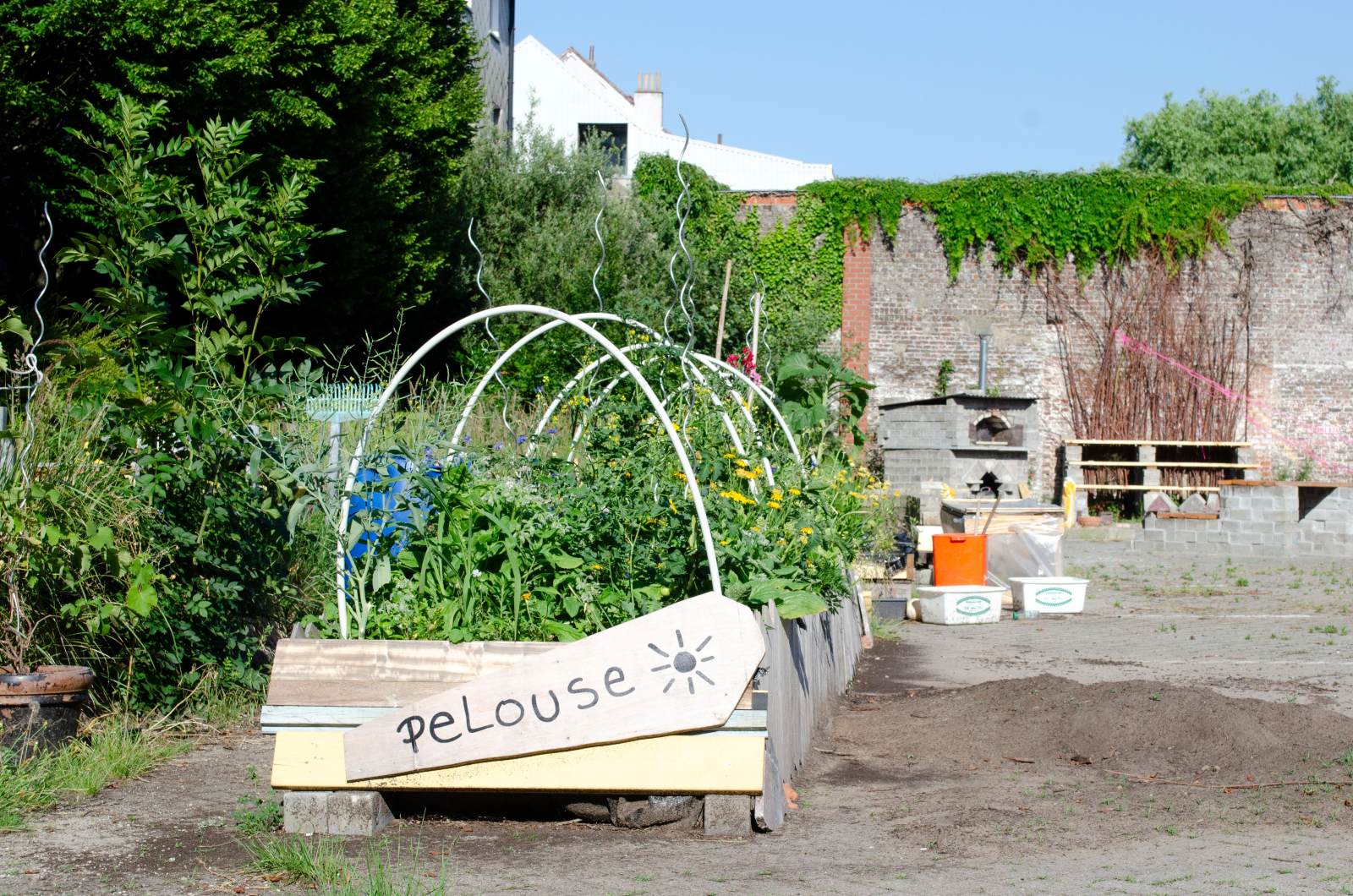
Barely one year ago, the Ploegstraat in the Ledeberg area was still a typical car-dominated neighbourhood street. It has now become greener, less sealed and much more collective. The residents helped choose what would grow there, they planted the street gardens together, and they are now taking responsibility for looking after them.
Everybody needs good neighbours
‘This whole process has set a totally new dynamic between the residents of the street’, says Loes Verschuere (Greening Department, City of Ghent). She witnessed how people got closer in only a couple of months. ‘By taking care of the greenery themselves, residents get a sense of ownership. It’s about their plants, and their street. It makes them leave the house and get to know each other.’
‘Totally true’, says resident Flore Provost, one of the driving forces in bringing the neighbourhood together. ‘A project like this gives you a great opportunity to meet the people who live around you. It makes it so much easier to talk, to say hello, to have a smile…’
‘The initiative has really turned the street into a home for a lot of residents’, says researcher Anika Depraetere (Hogent, University College of Ghent). ‘One neighbour I talked to, summed it up very well: ‘A year ago, I’d come home from work when I opened my front door. Now I already come home when I cycle down our street.’
Discover what changes when residents shape their street together in this podcast.