
In one of Ghent’s most densely populated areas, a new park will arise on what was once an inaccessible brownfield. Long before construction starts, Ghent is organizing temporary activities to build trust, create a new identity for the site and involve the neighbourhood.
Urban development is about much more than changing the physical qualities of a space. It is a social process in which places are shaped by the people who use them, by the activities they host and by the meaning attached to them. Introducing temporary measures and activities can support this production of spaces, placemaking and, ultimately, contribute to the co-creation of an identity.
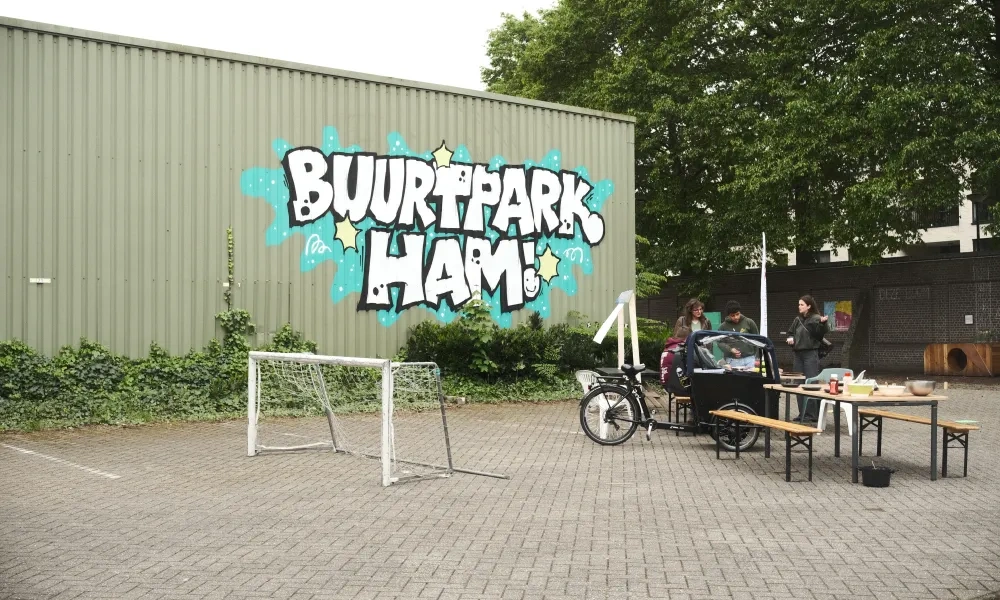
That is exactly what is happening at the former Fluvius site. The City of Ghent decided to open the space to the community not only to bridge the time before the construction of the park fully starts, but to build relations with the neighbourhood beforehand. These days, residents are gardening, organizing sports activities, staging theatre productions and experimenting with what the future neighbourhood park could become.
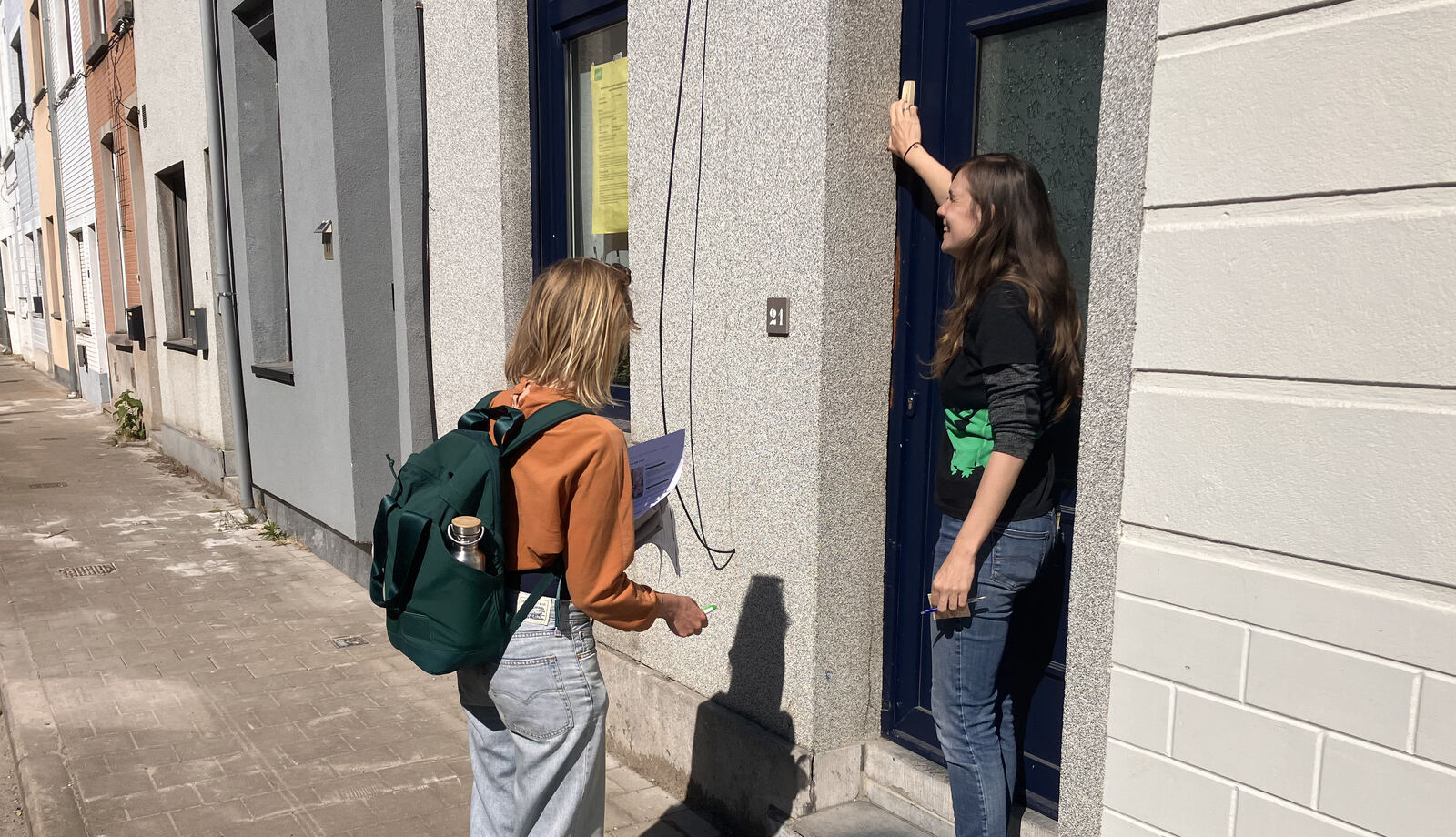
Building trust and curiosity
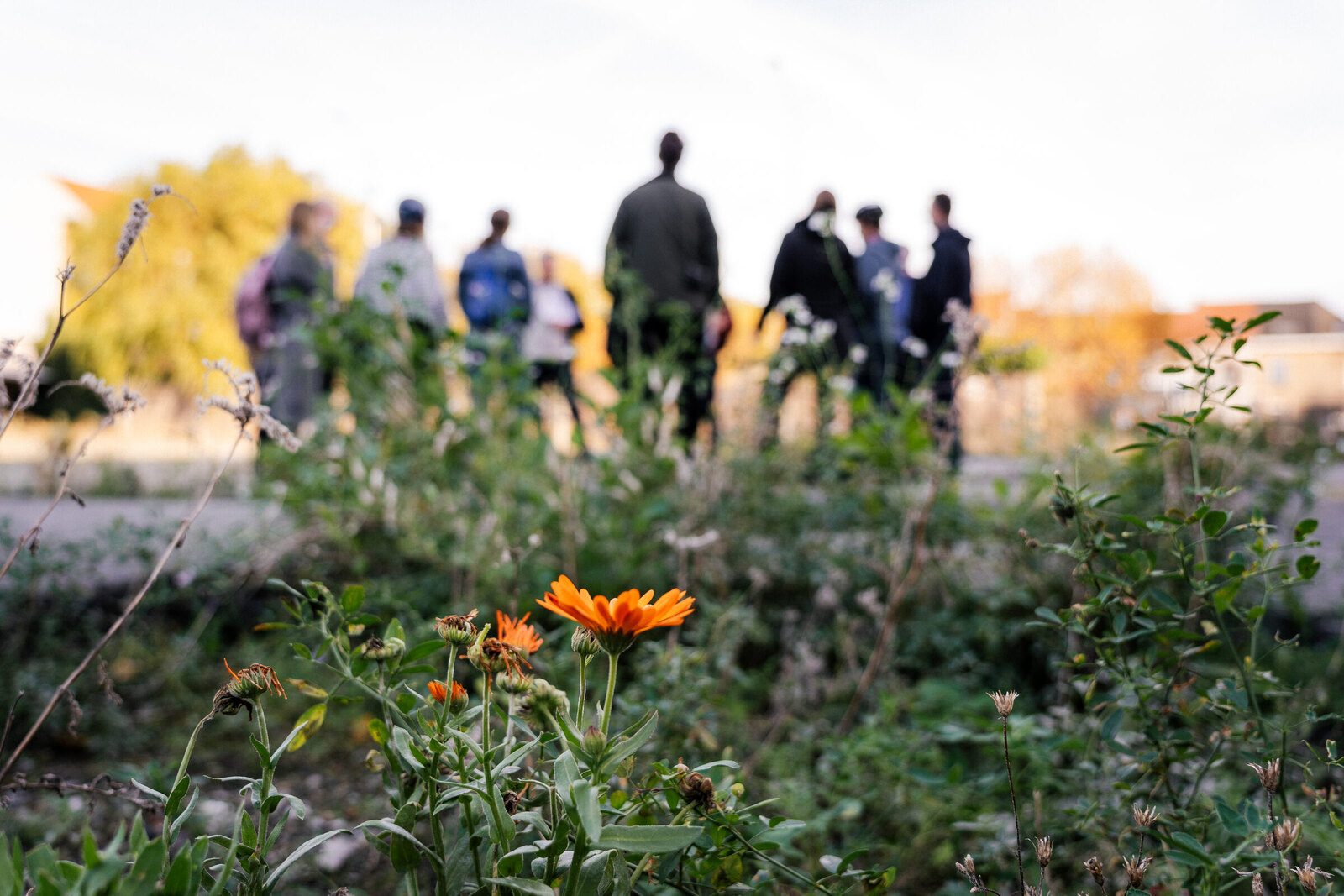
Geographer and urbanist Johannes Riegler is supporting Rewild the City for the European Union. What struck him most when he visited the site, was that the transformation has already begun. ‘The place is being co-created, and its identity has completely changed. At a time when European cities are racing to adapt to a hotter future, Ghent shows that landscape plans, budgets and construction works are only part of the efforts to green and rewild a city. Building trust, curiosity and the willingness to explore a space in transformation is equally important. It is not only about the what (a park) but also the how. Long before the first permanent tree takes root, the residents of the Sluizeken-Tolhuis-Ham area are already cultivating something equally valuable: a sense of belonging.’
Read on to discover how Ghent is co-creating the future identity of the park and what lessons your city can draw from the experience.
.jpg)