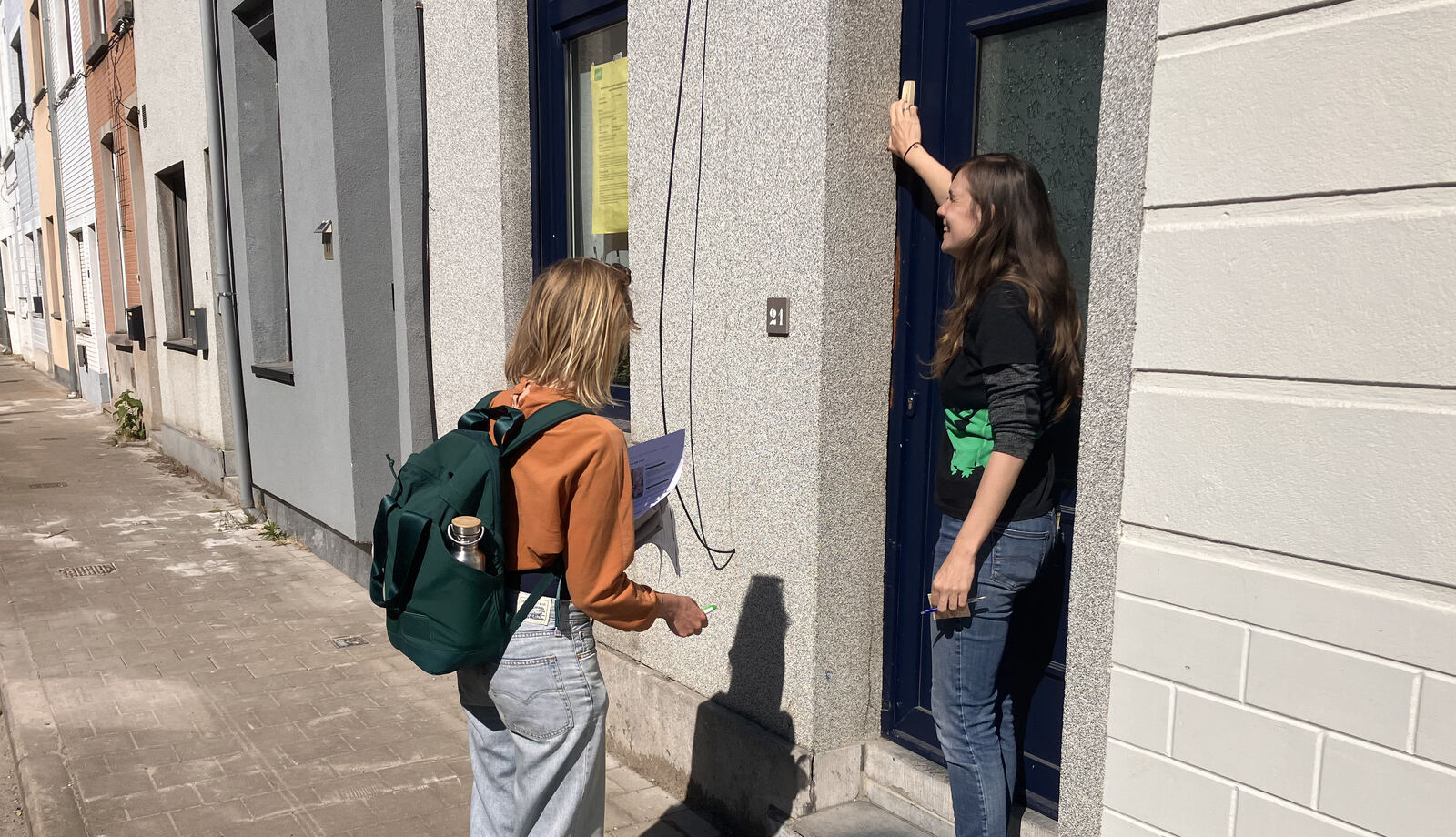
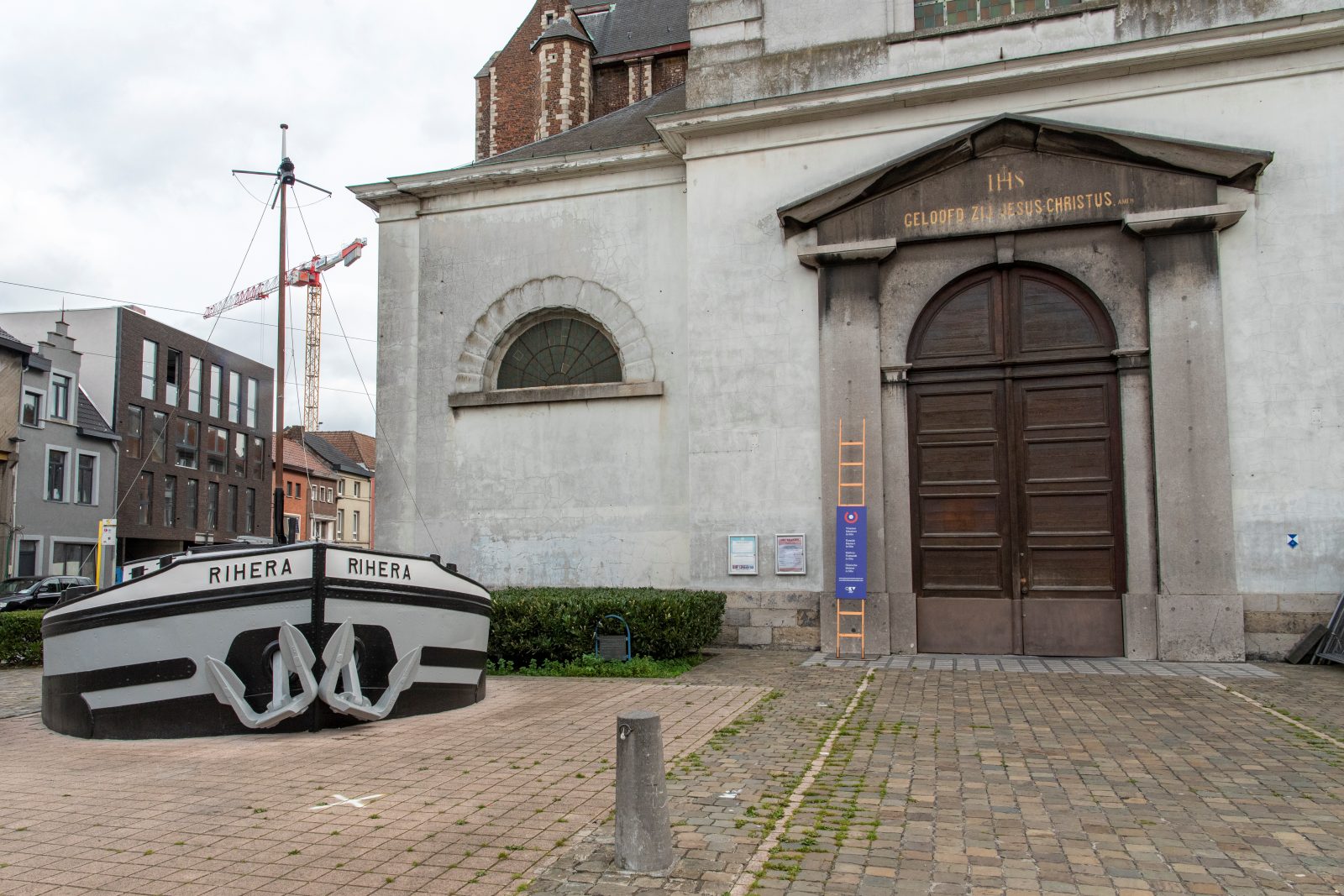
Desealing is more than a technical challenge. Psychological and moral factors play an equally important role. Ghent University surveyed over a thousand residents of Flemish cities to find out why they do or do not take action.
Flanders is one of the most sealed regions in Europe, with 15.3% of our territory paved, a figure well above the European average. Although the regional goal is to remove 1 m² of paving per person each year, we are not yet reaching that target. To better understand what motivates or discourages people from taking private and public action, Ghent University surveyed 1,202 residents living in Flemish central cities, with the aim of informing municipalities and organisations on how to involve citizens.
What holds people back and moves them forward?
When it comes to desealing, citizens mainly struggle with practical concerns. The time required, uncertainty about costs, unclear government support, and a lack of personal guidance are the biggest obstacles. At the same time, people are more likely to act when they feel financially capable and when they have enough knowledge about plants and the practical steps involved. However, many participants feel less confident about their physical ability to carry out the work themselves.
Interestingly, citizens mostly link paving to weather-related problems, such as flooding and urban heat island effects. Yet they do not feel personally vulnerable to these risks. On the other hand, they associate desealing with benefits like biodiversity and a deeper connection with nature, revealing a mismatch: people see paving as a weather problem, but they see desealing mainly as an ecological improvement.
.jpg)
Greener streets? High support for public regreening
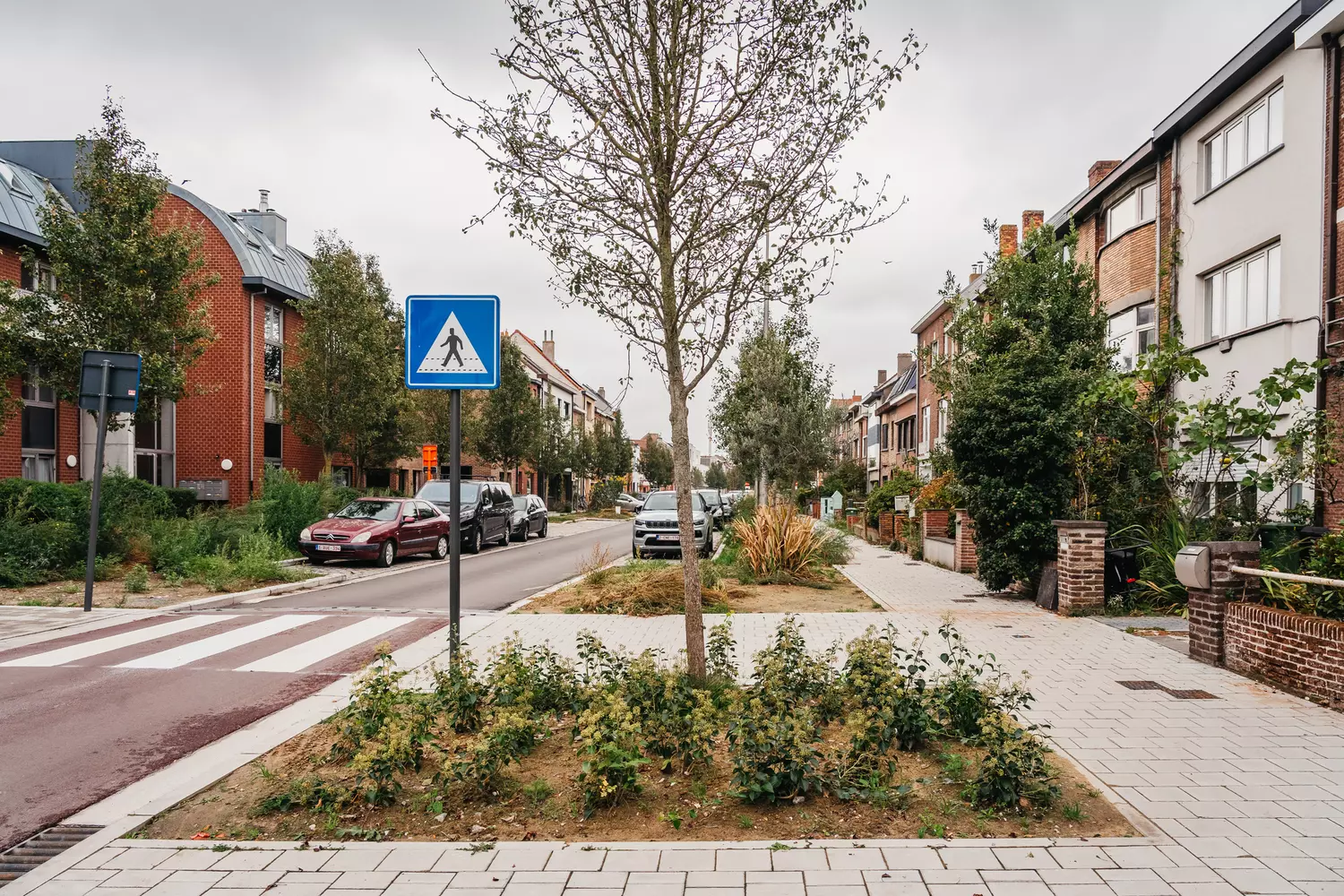
One of the most positive findings is the strong support for making public spaces greener. Whether it involves parking lanes, traffic lanes, or footpaths, citizens are generally open to a green transformation.
• Which public space should be regreened? While support is high for all types of public spaces, removing traffic lanes received slightly higher support than narrowing footpaths or removing parking spaces.
• Who is most supportive? Women, households without cars and families with children show the highest acceptance for public regreening, regardless of the type of space. This may be linked to a greater need for safe outdoor spaces and less reliance on outdoor parking space.
• What motivates people? Support for public regreening is driven mostly by psychological factors. People who understand the consequences of paving and who feel a sense of responsibility toward the climate are more supportive.
• What hinders people? The perceived cost and effort involved remain the primary barriers to public support. Even when people love the idea, they worry about the noise and the construction mess.
Private gardens: good intentions, little action
Although one-third of Flanders’ paved area is private property, more than 80% of homeowners have no concrete plans to remove paving. Moving from awareness to action proves difficult.
The study identified three pathways that influence the decision process:
• The Rational Path: weighing pros and cons. People form their attitudes by balancing benefits and disadvantages, and a positive attitude toward desealing strongly increases the likelihood of action. In addition, social influence matters: if people think friends and family are positive towards desealing, they are more inclined to consider doing it themselves.
• The Moral Path: acting out of responsibility. People who care deeply about nature tend to feel concerned about environmental degradation. This concern creates a sense of personal responsibility and moral obligation to do something, like desealing. However, this also comes with a pitfall. Desealing a private garden is an individual action with an environmental impact that is not always visible or measurable. Because the results can feel small or insignificant, this may discourage people from taking action.
• The Risk Path: fear is not a strong motivator. Fear-based arguments, such as vulnerability to flooding or heat waves, do not significantly increase the intention to deseal. While citizens acknowledge climate threats of paving, they do not feel personally at risk. Moreover, they connect desealing more with biodiversity than with protection against extreme weather.
.jpg)
Who is responsible for urban greening?
About half of the surveyed citizens believe homeowners should take responsibility for regreening their own property. This view is stronger among people who feel financially comfortable, have a positive attitude toward regreening and who experience a strong moral obligation toward the environment.
Households without children are also more likely to support this idea. This may be because they have more time to focus on broader societal goals and fewer practical concerns about outdoor space.
Interestingly, people who believe paving has serious negative effects are more supportive of civic responsibility. However, those who feel highly vulnerable to climate risks are less supportive. Feeling vulnerable may reduce the sense of personal capability, leading people to expect stronger government action instead.
.jpg)
From insights to action: how can we engage citizens?
Based on these findings, municipalities and greening professionals may benefit from adjusting their approach.
1. Connecting with people’s life situations: While demographic characteristics are difficult to change, communication can be adapted to key life stages. Families with children and a car may respond to different arguments than single households without a car when discussing public desealing. For families, communication could focus on safe play spaces and cooling down the backyard, while for households living in smaller homes, focusing on low-maintenance greenery can make the street feel more like an extension of home.
2. Inform to empower: Providing clear and accessible information about the benefits of desealing can strengthen citizens’ confidence. When people understand how their actions contribute to climate goals and community wellbeing, they are more likely to act.
3. Move beyond fear-based messaging: Emphasising risks such as heat and flooding does not effectively motivate private action. Instead, highlighting visible and tangible benefits — biodiversity, improved quality of life, and aesthetic improvements — can positively influence attitudes.
4. Use social examples: Positive stories matter. Showcasing neighbours who have successfully desealed creates a sense of shared responsibility and inspires others to follow suit. Additionally, seeing others succeed also increases people’s confidence in their own ability to take action.
5. Simplify the process: The gap between intention and action is often practical. Lowering the threshold can make a real difference by offering for example:
• Step-by-step technical guidance
• Easy access to subsidies
• Practical support, such as help with debris removal or a tool sharing system
Desealing is not only a technical challenge. Psychological and moral factors play a crucial role. By focusing on community engagement, visible benefits, and practical support, municipalities can help transform good intentions into concrete action, and gradually replace grey surfaces with green spaces.
Read the full report (in Dutch, including an executive summary in English) here.
For more information, you can contact emma.martens@ugent.be