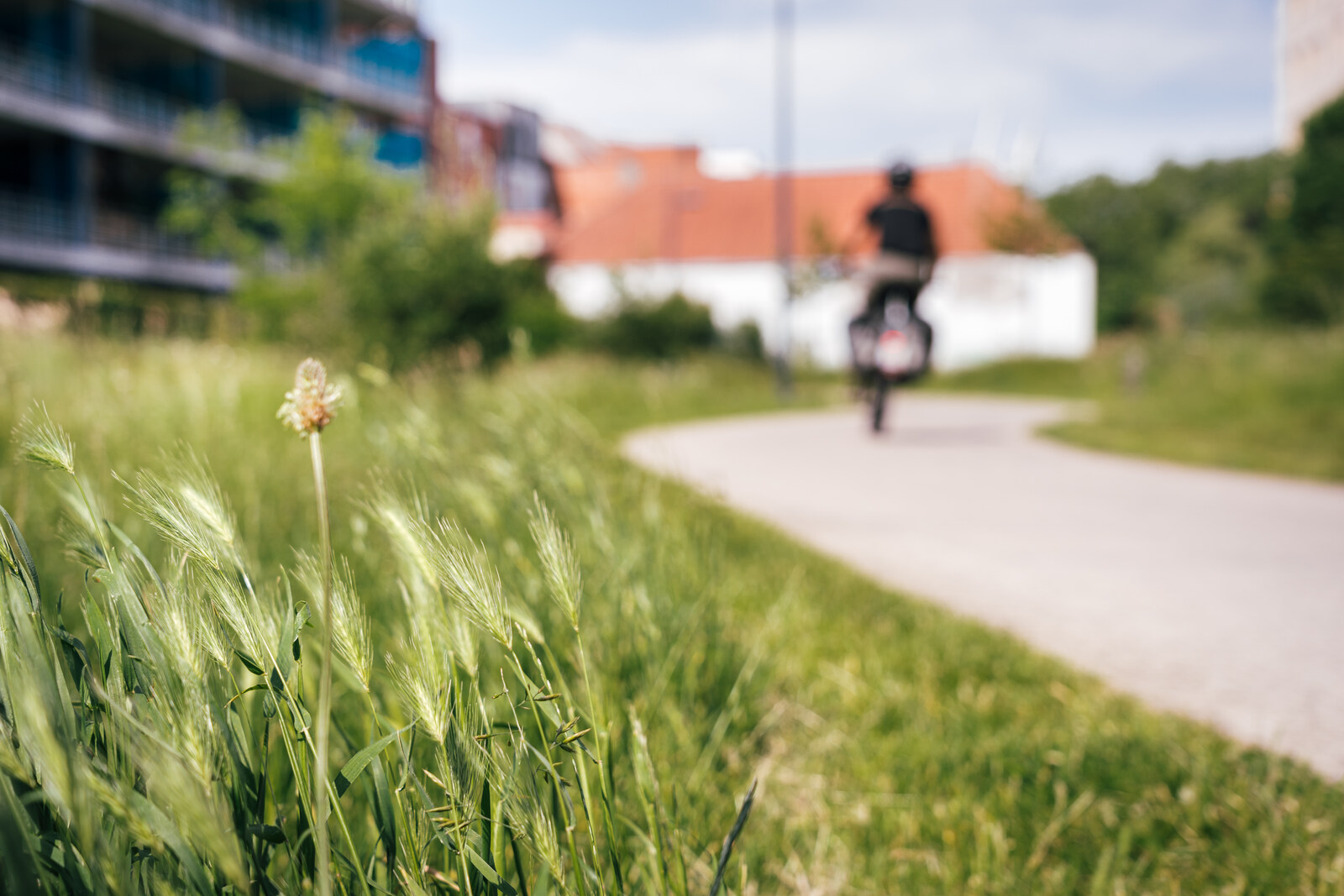
Very often, local residents know best what their neighbourhood needs. In three pilot neighbourhoods, we asked them which areas they would like to be greener. The result: over the coming months, we will be putting their ideas into practice at 20 locations.
At the start of the project, the City of Ghent selected various streets, squares and playgrounds in the pilot neighbourhoods of Ledeberg, Sluizeken-Tolhuis-Ham and Ottergemsesteenweg that were to undergo a green makeover.
At the same time, we gathered suggestions that residents had previously sent to us through various channels: spontaneous reports to city departments such as the Greening and the Roads Departments, insights from residents’ consultations on urban renewal projects, and proposals from residents’ groups actively working on green spaces, for example as part of the neighbourhood budget (which means that residents are given funds to actually put their ideas into practice.
In order to hear the views of people who do not usually take part in traditional consultation processes, we spoke to local partners and organisations that work with specific target groups. They provided insight into what their members consider important when it comes to the final selection of greening projects.
From longlist to well-considered choices
We compiled an overview of all the suggestions on the City of Ghent’s participation platform (Ledeberg, Ottergemsesteenweg, Sluizeken-Tolhuis-Ham). It turned out to be a lengthy list, which we had to shorten considerably due to limited resources. In order to make well-informed choices, we developed an evaluation framework that enabled us to assess all the locations.
A first, decisive step in this framework is the technical feasibility of an idea. Some proposals are ruled out because they are not feasible. For example, there may be underground cables and pipes; removing paving or creating green spaces may compromise access for the emergency services; or the area to be unpaved may not be large enough to allow the planting of high-quality greenery.
For those sites that pass this initial assessment, we map out the spatial and social context. Where is the biggest need for climate-adaptive measures to tackle heat stress or flooding? And can we combine the removal of hard surfaces and the introduction of greenery with other functions, such as social interaction, play or sustainable mobility? In addition, we take into account existing access to green spaces for local residents, as well as the presence of social infrastructure or local stakeholders who can help sustain and bring a space to life.
This dual approach – both technical and contextual – enables us to make choices that are not only feasible, but also meaningful and forward-looking.

From selection to implementation
Today, each neighbourhood still has a carefully considered selection of sites left for greening. These range from relatively minor interventions, such as additional planting beds, to more extensive redesigning of public spaces.
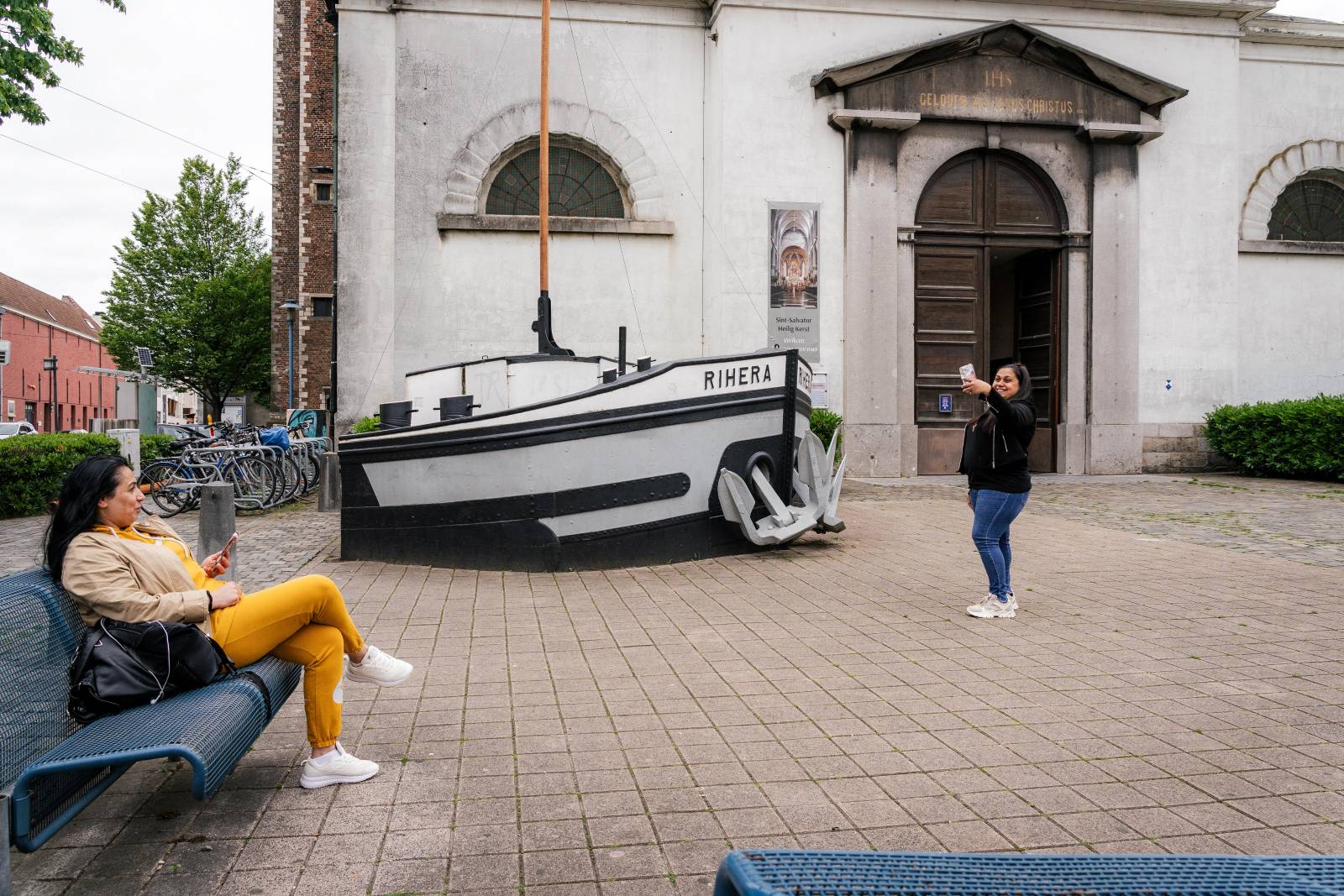
A number of these locations are already catching the eye. In Sluizeken-Tolhuis-Ham, these include the small square in front of the Heilig Kerstkerk near Sleepstraat. In Ledeberg, we are looking, amongst other places, at the area around the Public Service Centre and the Onze-Lieve-Vrouwcollege as promising locations for a visible and meaningful intervention.
We will carry out the various projects towards the end of the Rewild the City initiative, at the end of 2027. Where appropriate, we will ask residents for input on the design or work with them to remove the cobblestones. In this way, we ensure that the final outcomes meet the neighbourhood’s needs and expectations, whilst also fostering a sense of ownership amongst the residents.
.jpg)