
Just before the summer, delegations from Ghent and Helsinki travelled to Guimarães. They saw how the Portuguese city is turning its ambitious climate goals into reality. From its vision to the establishment of the Landscape Lab: Guimarães is making a real impression.
This year, Guimarães, a city with over 150,000 inhabitants, is the European Green Capital. And quite rightly so. For years, this Portuguese city has demonstrated sky-high ambitions in the areas of greening and climate adaptation. ‘If you visit the city, you’ll quickly understand why it has been awarded this prestigious title,’ says EUI expert Ruxandra Aelenei. ‘Guimarães has truly embraced sustainability as a cornerstone of its local culture. The subject is given a great deal of attention right from school age.’
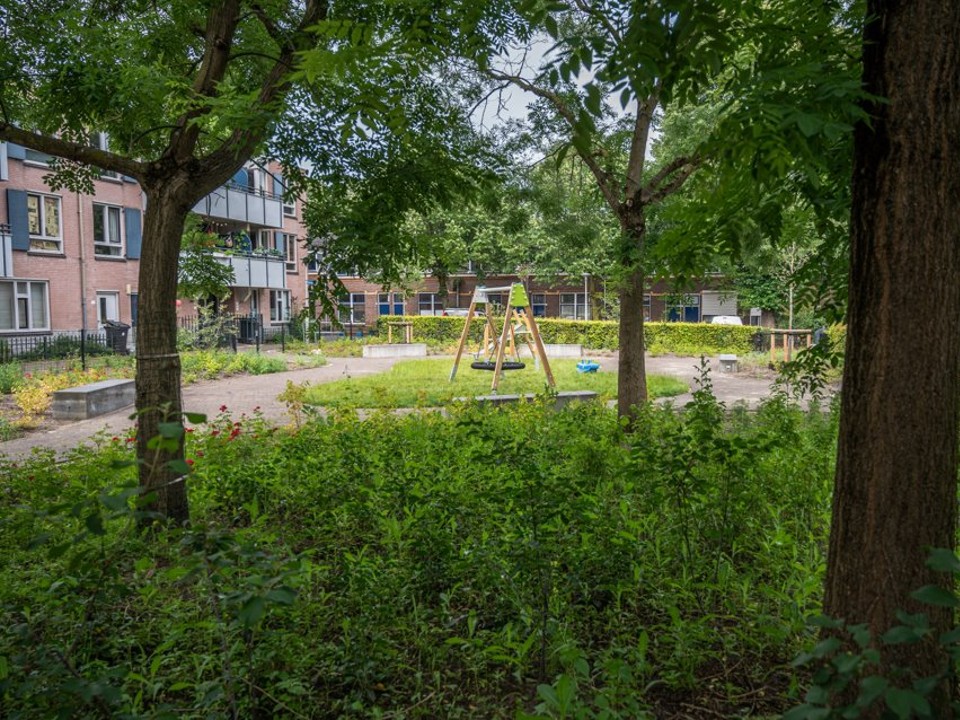
Today, Guimarães is one of the three Rewild transfer cities. As part of this project, the city is focusing primarily on a just climate transition. Ghent and Helsinki visited to see how Guimarães is attempting to achieve this in the Coradeiras social housing estate and how this fits into the much broader climate vision that guides the city.

Political consensus on climate targets
Climate neutral by 2030. A One Planet City, one that uses no more resources than the Earth can provide, by 2050. These are the clear objectives Guimarães has set itself for the coming years. To achieve them, the city is constantly taking steps, both small and large. The biggest step dates back to 2013. In that year, the then mayor, Domingos Bragança, succeeded in reaching a political consensus across all party lines and legislative terms. From then on, investment in green initiatives and climate adaptation would be at the top of the agenda. This long-term commitment has been crucial to the progress the city has made in the years since. It ensured continuity and sustained political support. When a centre-right majority came to power following last year’s elections, the direction remained the same.
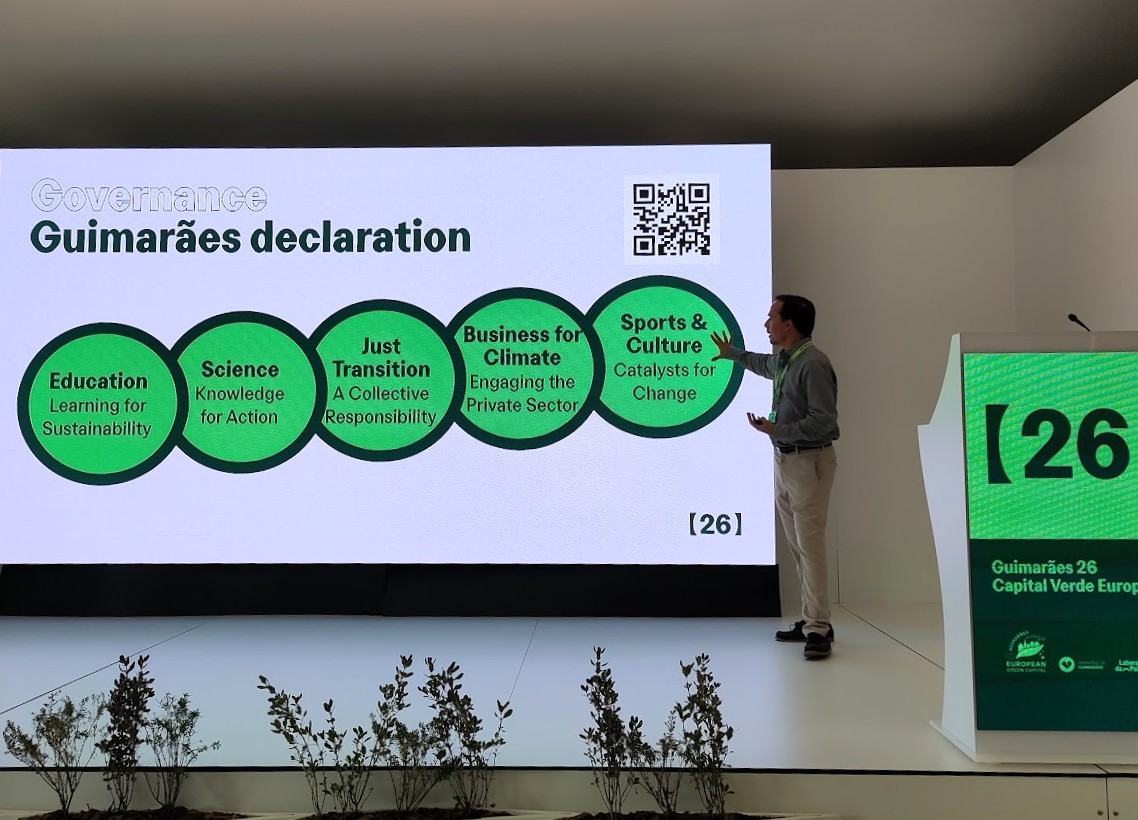
‘Absolutely brilliant,’ says Tessa Dean from Helsinki. ‘If there’s one thing I’d like to see in my own city, it’s that sort of political consensus. I find it hard to understand why greening and sustainability are always such contentious issues. Surely everyone enjoys having green spaces in their neighbourhood? So why does this issue so often cause political division? Guimarães shows that things can be done differently.’
Landscape Lab: a scientific basis for policy
The fact that things can be done differently is also evident from the establishment of the Laboratório da Paisagem (Landscape Lab) in 2014, barely a year after the historic political agreement. The City set it up from scratch, together with the two leading universities in the north of the country. The objective was clear: to provide a scientific basis for political decisions on the environment and climate. ‘Every year, the Landscape Lab is literally under water,’ says Line Ostyn of the City of Ghent. ‘I won’t forget that image very soon. Nothing could better illustrate that their work is important and urgently needed.’
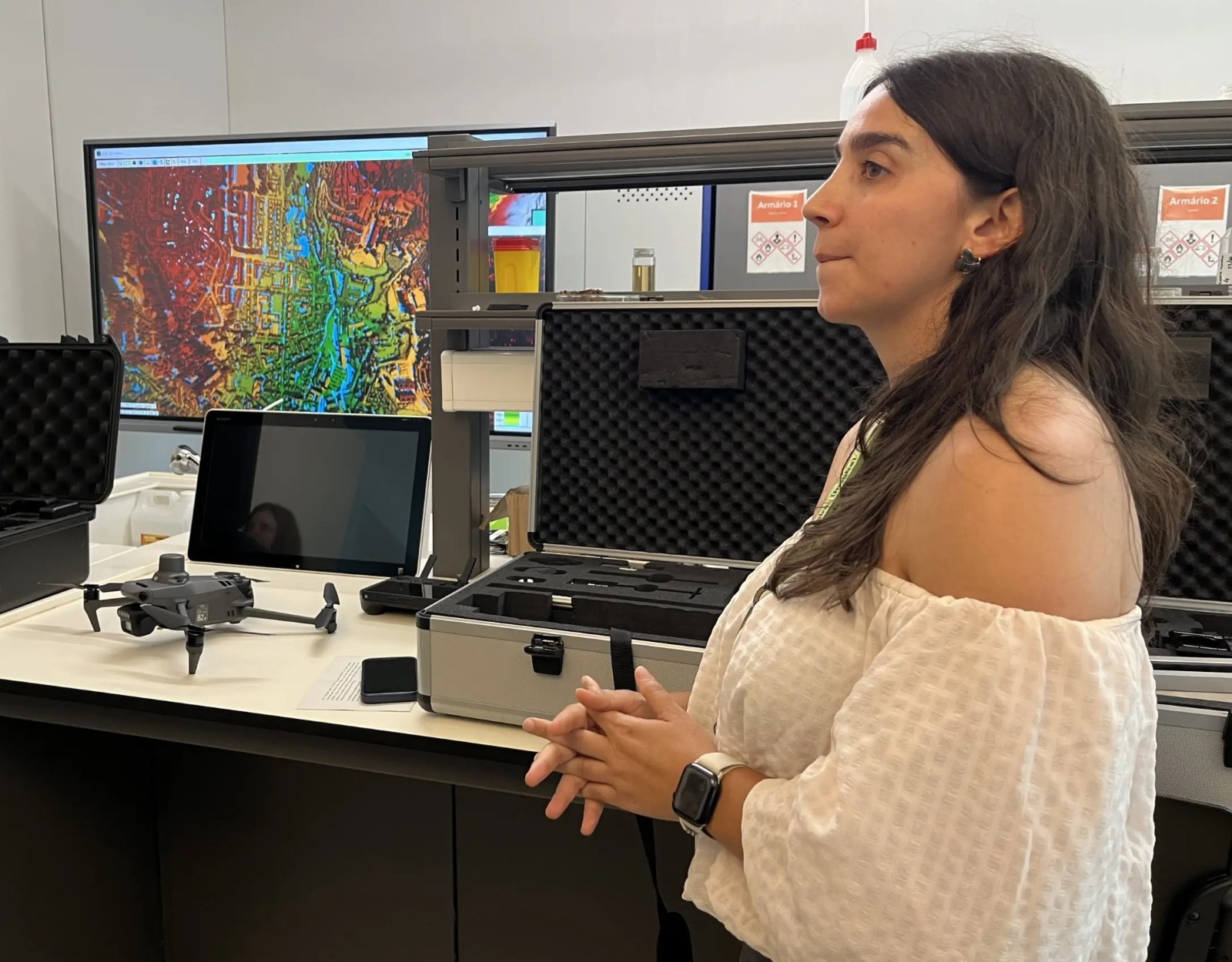
Today, the Lab has become a key partner of the City. After more than 10 years, the team of three researchers has grown into a group of 30 people with a range of specialist skills, from landscape architects to biologists and psychologists. They carry out research and monitoring projects (on topics such as water quality and flood risks) and collect and analyze data. For example, their research formed the basis for the construction of three natural basins or buffer basins, which prevented no fewer than 52 floods last year. The Lab continuously works with the local community, researchers, policymakers and other stakeholders.
‘The Landscape Lab really does occupy a unique position in Guimarães,’ says Linde Vertriest of the City of Ghent. ‘They work closely with the City, yet remain distinctly independent. By utilizing European project grants, they are able to experiment extensively. In Ghent, we also frequently collaborate with universities and colleges, but we don’t have a structural framework in place. That would certainly be an added value, enabling us to think even more in the long term.’
Engaged residents and well-informed youngsters
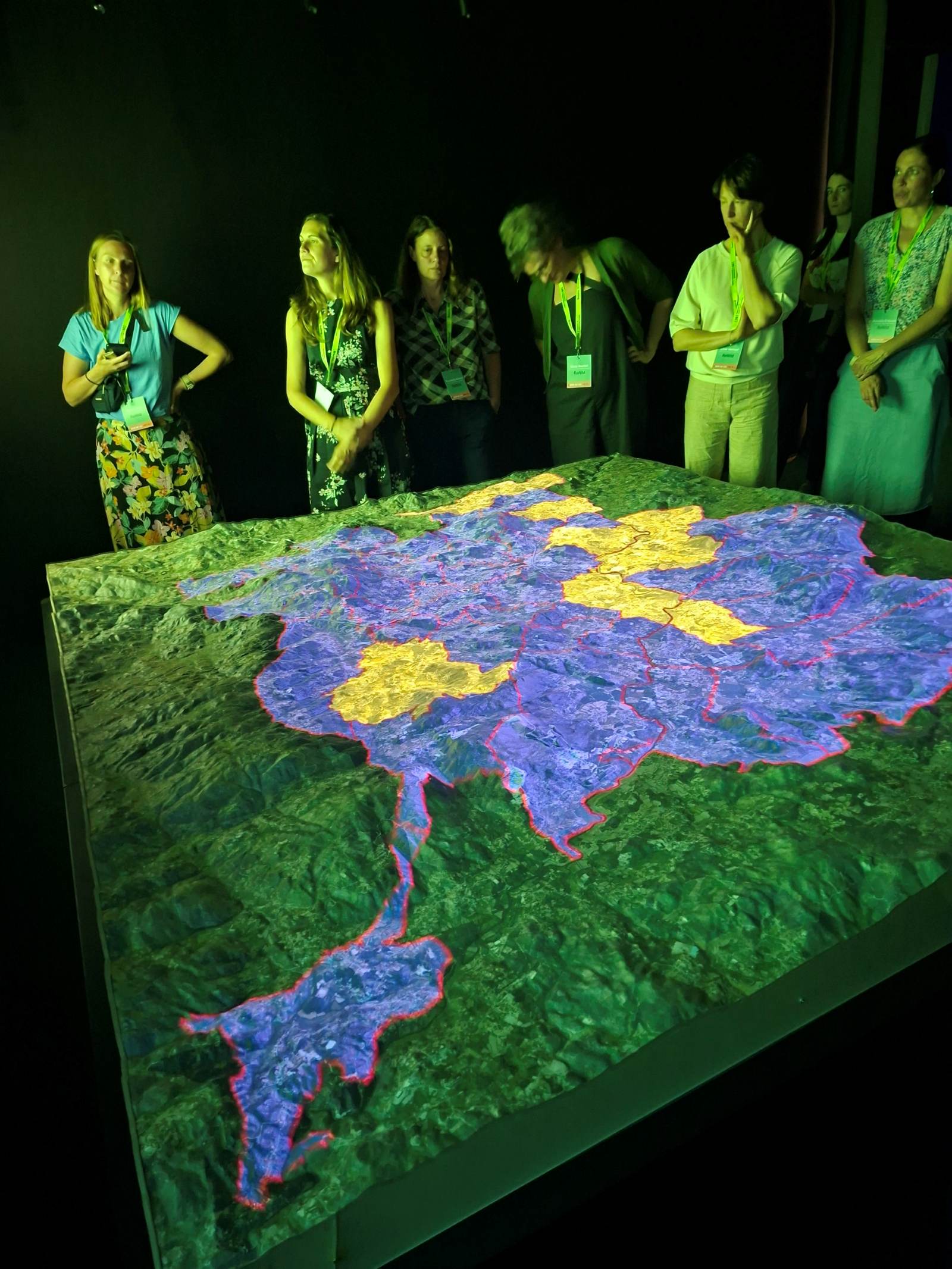
To ensure that the whole climate issue really resonates with residents, Guimarães has been strongly committed to communication and education since 2014. This was necessary, as at that time the issue was of only limited interest to the general public. A whole host of initiatives focusing on environmental education, mobilization and raising awareness have turned the tide. The environmental education programme, in particular, has been a huge success: through hundreds of activities, Guimarães reaches more than 20,000 school pupils and students. The Landscape Lab also plays a key role in this. There, visions and plans are brought to life in an engaging and accessible way using a 3D model.
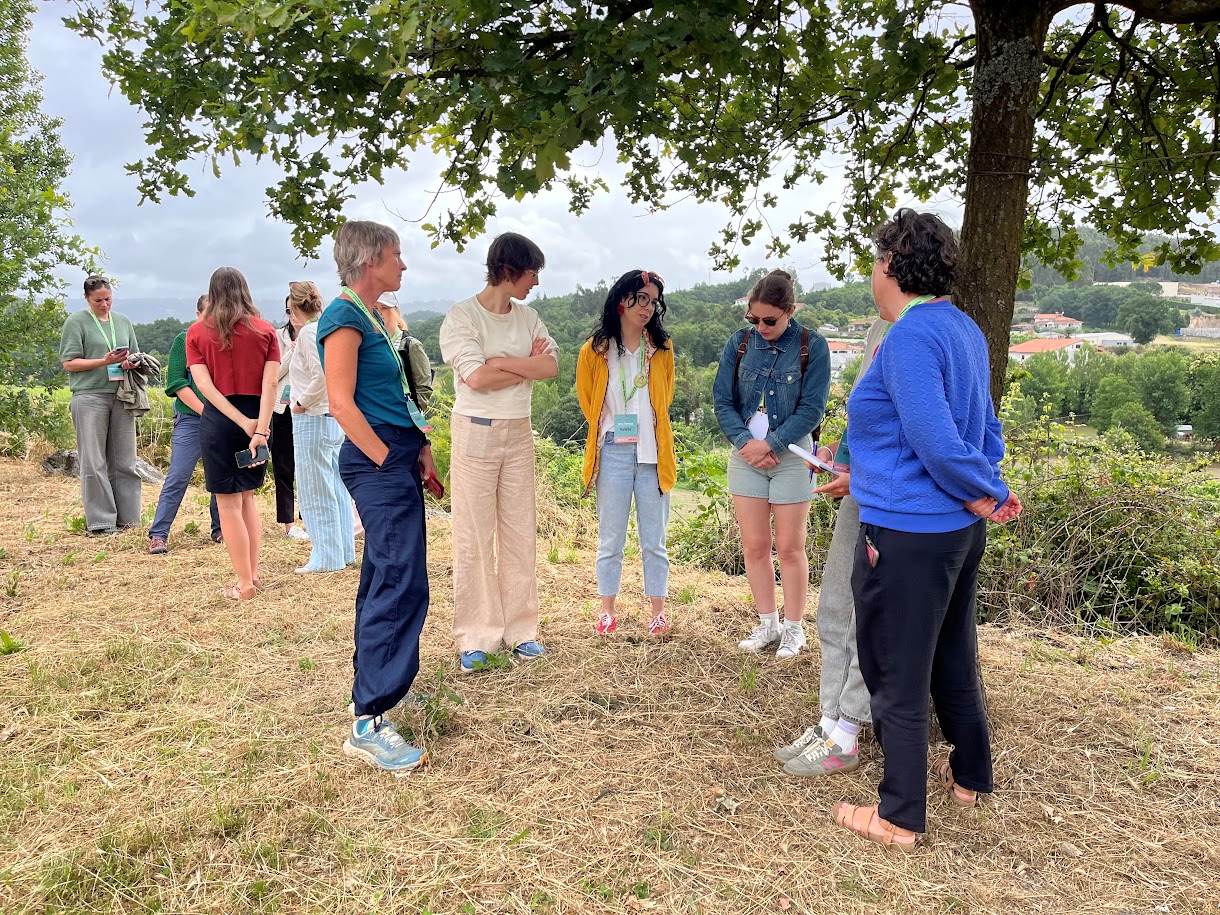
Efforts are also being made to engage the private sector. Around 150 companies have today signed the climate pact with the government. In addition, the City has developed a wide range of ways to support businesses, such as free assistance with reporting on environmental issues and the Sustainable Development Goals.
Much more than just greening
Naturally, this comprehensive vision of climate adaptation and greening is also evident in the city itself. Green belts, larger parks, greater biodiversity… it all fits into the same picture. Tessa Dean: ‘Guimarães is an impressive city, which manages to beautifully combine various objectives within its projects. I really enjoyed the exchange. The Rewild cities are starting to form a wonderful community. It’s a great pity that the people from Wrocław couldn’t be there this time due to a strike. At first, we hadn’t planned to invite everyone to Helsinki, but we’ve changed our minds. This visit demonstrated once again how inspiring it is to bring people together. I’m already looking forward to showing our partners all sorts of things in Helsinki too.’

‘It really is nice to be able to show your own city to colleagues from other European cities,’ says Adelaide Maia of the Landscape Lab. ‘We saw how the people from Belgium and Finland immersed themselves in our local context, asked critical questions and shared their own experiences. That reminded us that we often face the same challenges, even though our cities are different. Rewild the City is about much more than just greening. It’s about reconnecting people with nature, strengthening communities and demonstrating how Nature-Based Solutions can improve people’s health, wellbeing and quality of life.’
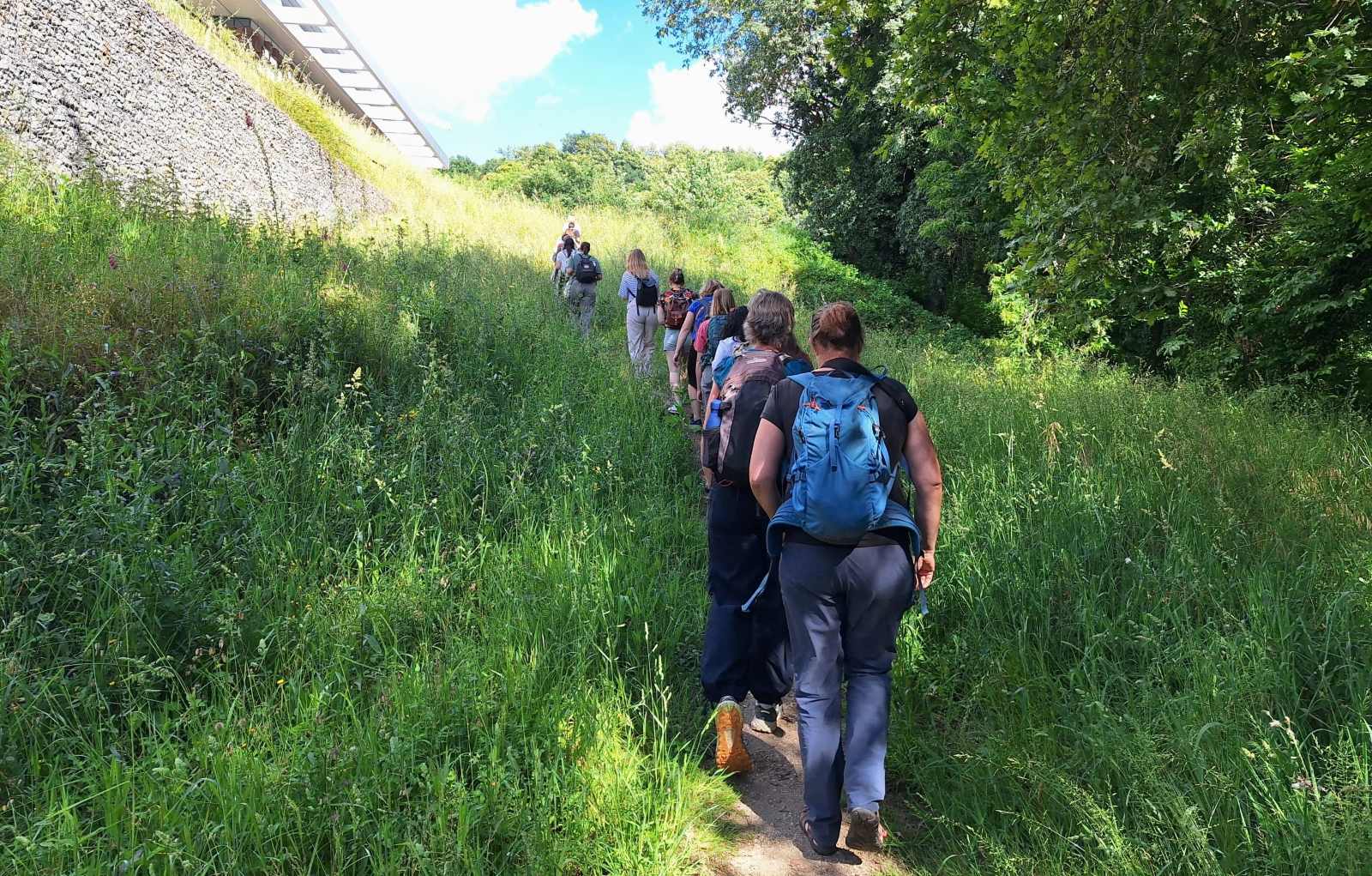
‘What I liked best of all was the openness of the discussions and the genuine willingness to learn from one another,’ says Adelaide. ‘We didn’t feel as though we were simply presenting a project. It really felt like a joint study trip. And of course, it was also nice to give our colleagues a taste of our Portuguese cuisine.’
Travel tip from Adelaide:
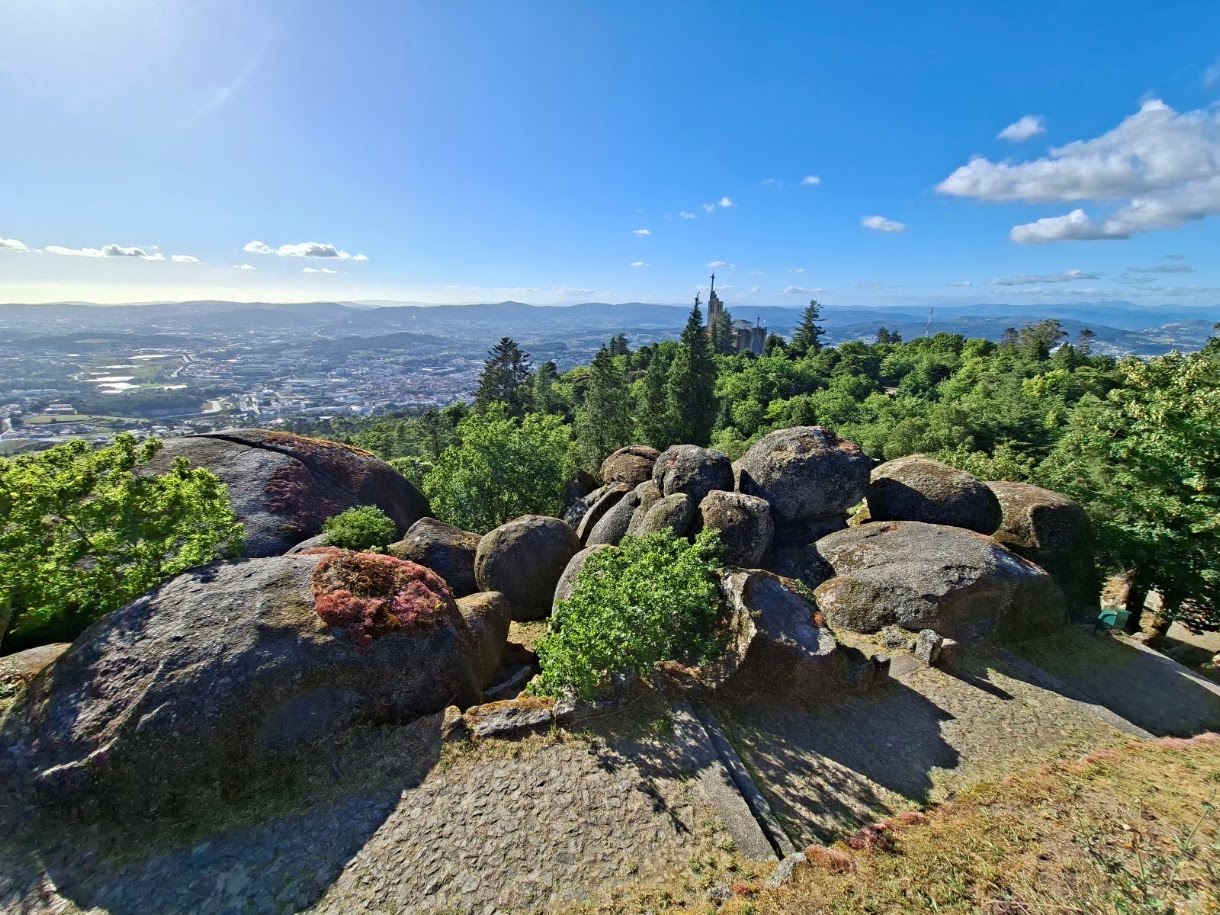
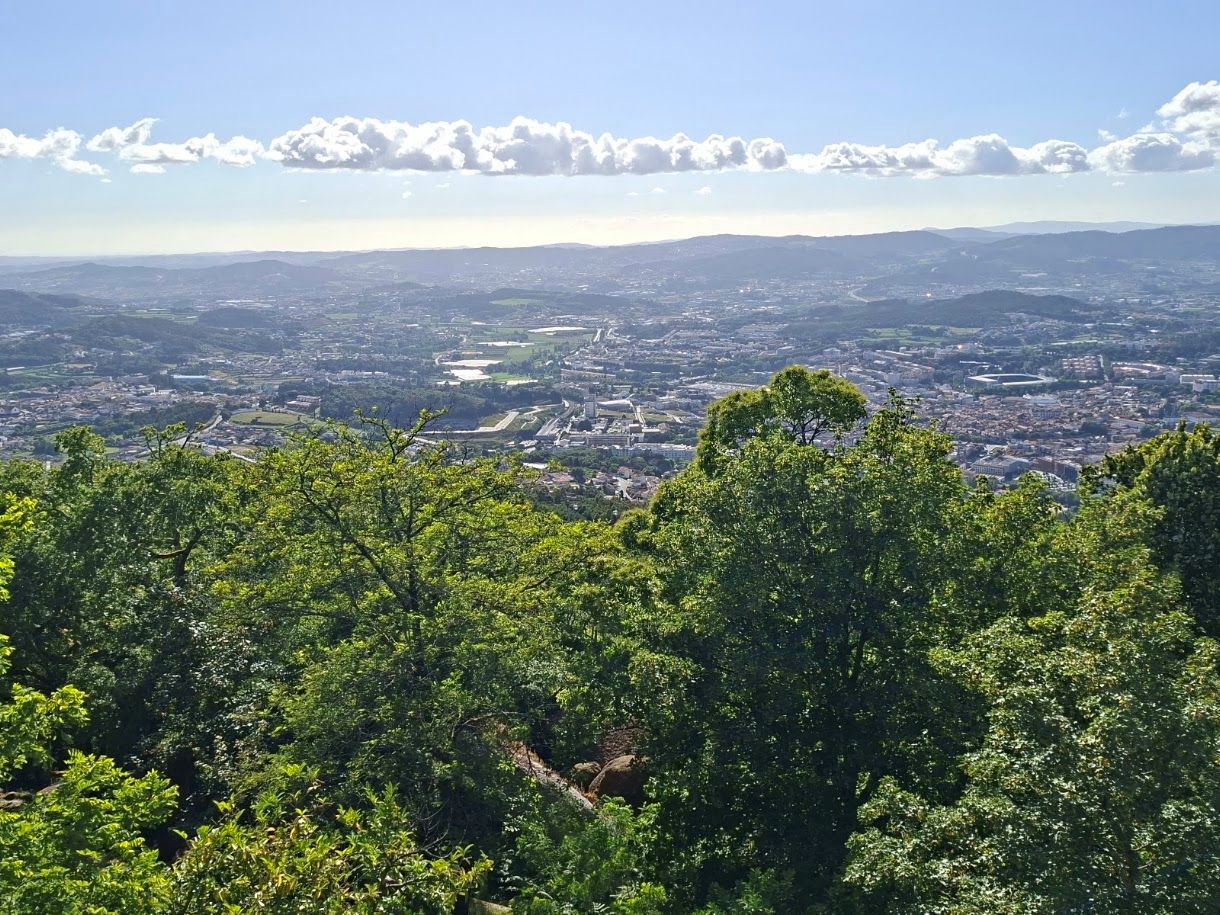
‘Fancy a trip to Guimarães? Then be sure to visit Penha, a hill close to the city centre, with stunning views, large rocks, walking trails and a modern church. The place is deeply rooted in the city’s identity. We’re incredibly proud of it.’
Gallery



%20cover%202.jpg)
